


Physical Therapy Can Help You Resolve Unwanted Knee Pain
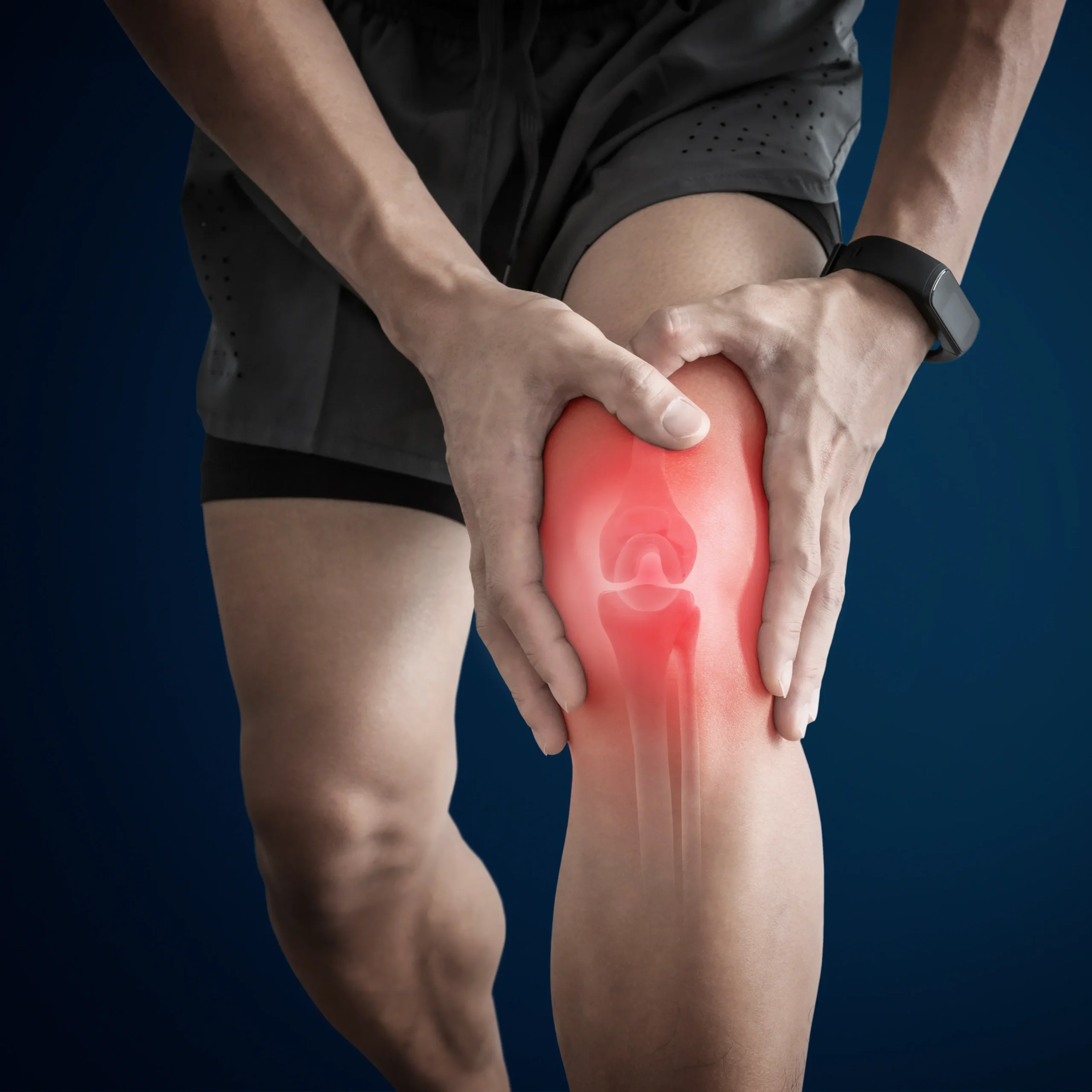
Knee pain is a common complaint that affects people of all ages, often hindering their ability to perform everyday activities and enjoy a high quality of life. Whether resulting from injury, arthritis, or overuse, knee pain can be debilitating.
Fortunately, physical therapy at MedRehabGroup offers hope for those seeking relief. This article shares the journey of Alex, a 40-year-old marathon runner, who found relief from persistent knee pain through the expert care of our skilled therapists.

Our Patients Get Great Results
“My ongoing experience with MedRehab is great! Rachel is always welcoming and is very helpful with scheduling and her communication is great! It was my first time working with a chiropractor and Mohammed was amazing from day one. He’s very knowledgeable and his observation skills are on point. I love how realistic he is and how he personalized my treatments; he has educated me how to incorporate it into my everyday life without realizing. I truly appreciate how he helps me to learn about how to maintain the strength in areas that can affect me later on in life. My experience has been great everytime and definitely would recommend the service at MedRehab Group.” – Tameka
The Onset of Pain
Alex’s passion for running was undeniable. Completing several marathons each year, he was no stranger to the physical demands of long-distance running. Unfortunately, Alex began experiencing sharp pains in his right knee, particularly during and after runs. Initially dismissing it as regular wear and tear, he soon realized the pain was not subsiding but worsening with time.
Seeking Help
After several weeks of persistent pain, Alex knew he needed professional help. His search for a solution led him to MedRehabGroup, known for our team of experienced physical therapists specializing in sports injuries. From the moment he walked in, Alex felt a sense of hope. The clinic’s approach was about alleviating pain, understanding its root cause, and preventing future issues.
The Physical Therapy Journey Begins
Alex’s journey began with a comprehensive assessment that included a detailed discussion of his running habits, knee pain history, and a physical examination to assess his knee’s strength, flexibility, and alignment. Our clinic’s expertise in sports injuries came to the forefront with a detailed analysis of Alex’s running gait. His therapist identified several inefficiencies in his running form contributing to his knee pain. His therapist determined Alex was dealing with patellofemoral pain syndrome (PFPS), a common issue among runners characterized by pain around the kneecap. His therapist explained that Alex’s pain was likely due to a combination of overuse, improper running technique, and muscular imbalances.

Tailored Treatment Plan
Understanding the specifics of Alex’s condition, the therapist devised a personalized treatment plan. The multifaceted plan addressed Alex’s knee pain symptoms and underlying causes.
Manual Therapy
Alex’s treatment started with manual therapy. His therapists used hands-on techniques to free up restrictions and tension in the soft tissues around his knee. This approach helped reduce Alex’s pain and increase his range of motion, setting a solid foundation for further therapeutic interventions.
Strengthening Exercises
Recognizing the importance of muscular support for knee stability, Alex was guided through a series of strengthening exercises focused on building up the muscles around his knee, particularly the quadriceps and hamstrings. These exercises were designed to absorb shock more effectively, reduce the burden on his knee during runs, and prevent future injuries.
Motor Control Exercises
To address any dysfunctional movement patterns contributing to Alex’s knee pain, the therapists introduced motor control exercises. These exercises aimed to correct his movement patterns, ensuring that he adopted more efficient movement strategies during running and daily activities, thereby reducing strain on his knee.
Education and Preventive Strategies
Beyond immediate treatment, education played a vital role in Alex’s therapy. He learned the importance of proper footwear, adequate warm-up and cool-down routines, and strategies to gradually increase running distances without overloading the knees.

Debunking the Myth That Running Causes Osteoarthritis
Osteoarthritis (OA) is a degenerative joint disease characterized by the breakdown of cartilage in the joints, leading to pain, stiffness, and impaired mobility. While there is a common misconception that running contributes to the development of OA, numerous studies have shown this to be a myth.
Running has various health benefits, including improved cardiovascular fitness and weight management, which support joint health. In addition, movement, including running, helps keep the cartilage in the knee healthy.
Research has highlighted other factors that are contributors to the development of knee OA:
- Age: Aging is the most significant risk factor for OA. As individuals age, the cartilage in their joints naturally undergoes wear and tear, making them more susceptible to degeneration.
- Genetics: Genetic factors play a crucial role in determining an individual’s susceptibility to OA. Certain genetic variations have been associated with an increased risk of developing OA in various joints, including the knee.
- Previous joint injuries: Previous knee injuries, such as ligament or meniscus tears, can predispose individuals to OA later in life. The trauma from these injuries can accelerate the degenerative process in the affected joint.
- Obesity: Excess body weight places additional stress on the knee joints, leading to accelerated cartilage breakdown and an increased risk of developing OA. Maintaining a healthy weight through regular exercise and a balanced diet can help reduce the risk of OA.
- Joint misalignment or instability: Abnormalities in joint structure or function, such as malalignment or instability, can lead to uneven distribution of forces within the knee joint, contributing to cartilage degeneration and OA development.
The bottom line is that running does not cause knee OA. At MedRehabGroup, our therapists understand the risk factors associated with knee arthritis and will provide programs to preserve your joint health and reduce the burden of OA so you can keep running!
The Road to Recovery
Alex’s dedication to physical therapy paid off as he noticed a significant reduction in knee pain, improved running efficiency, and a newfound awareness of protecting his knees from injury. The holistic approach at MedRehabGroup addressed Alex’s pain and equipped him with the knowledge and tools to maintain knee health in the long run.
But Alex’s journey was about more than just overcoming knee pain. It was a transformative experience that reshaped his relationship with running. He emerged from physical therapy as a runner and an informed athlete, mindful of his body’s signals and the importance of balance in training.
Conclusion: A Testament to the Power of Physical Therapy
Alex’s story is a testament to the effectiveness of physical therapy in resolving unwanted knee pain. At MedRehabGroup, the combination of expert assessment, personalized treatment, and a commitment to patient education proved to be a winning strategy.
Alex’s journey offers hope and inspiration for anyone struggling with knee pain. If you’re dealing with knee pain, call our team and schedule a consultation today!
Exercise of the Month
Seated Leg Extension
Sit up straight in a chair with your feet flat on the floor. Slowly extend one leg out in front of you until it’s straight, squeezing your thigh muscle. Hold briefly, then lower it back down with control. Alternate legs or complete all reps on one side before switching.
3 Sets, 10 Reps (each leg). (Materials needed: chair)
Why Completing Your Physiotherapy Program Matters
When you start physiotherapy, your therapist designs a personalized treatment plan with a clear goal: helping you recover fully and prevent your pain or injury from coming back. While it may be tempting to stop once you start to feel better, completing the full program of care is key to long-term success.
Here’s why finishing your plan makes a difference:
- Lasting Results – Early relief is often just the first step. Continuing care helps strengthen and retrain your body so the improvements last.
- Preventing Setbacks – Stopping too soon may leave your muscles, joints, or nerves vulnerable, increasing the risk of re-injury.
- Faster Return to Daily Life – Completing your program ensures you can get back to the activities you love with confidence.
- Building Healthy Habits – Sticking with the plan helps you learn exercises and strategies that support your health well beyond your current injury.
Your physiotherapy journey is about more than short-term relief. It’s about giving your body the time and guidance it needs to fully heal and stay strong. By following through with your treatment plan, you’re investing in your recovery and your future health.
Depressed? Stressed? Struggling to Cope? We Can Help!
In today’s fast-paced world, caring for our mental health is just as important as treating our bodies. That’s why we’re excited to introduce our Virtual Psychotherapist, a convenient, supportive way to access professional mental health care from the comfort of home.
Here’s what makes our virtual mental health service meaningful:
- Easy Access from Anywhere: Whether you’re at home or on the go, you can connect with our therapist online, making it easier to fit care into your schedule.
- Flexible, Personalized Support: Whether you’re dealing with stress, anxiety, change, or just need someone to talk to, our Virtual Psychotherapist can help guide you, offering tailored strategies and support that fit your life.
- Safe, Confidential, and Comfortable: Virtual sessions maintain full privacy and professionalism, while offering a comforting setting that lets you feel more at ease sharing your thoughts and feelings.
- Complementary to Your Physical Wellness Journey: Holistic healing includes both body and mind. By combining your physiotherapy or chiropractic care with mental health support, you’re investing in complete, long-term wellness.
Recipe of the Month: Lemony Asparagus & Pea Pasta

Ingredients:
- 8 oz pasta (linguine or fettuccine works great)
- 1 bunch asparagus, trimmed and cut into 2-inch pieces
- 1 cup fresh peas (or frozen, thawed)
- 2 cloves garlic, minced
- Zest and juice of 1 lemon
- ¼ cup olive oil
- ½ cup grated Parmesan cheese
- Salt & pepper to taste
- Optional: fresh basil or mint for garnish
Instructions:
- Cook the pasta: Boil in salted water until al dente. Reserve about ½ cup of pasta water, then drain.
- Blanch the veggies: In the same pot, cook asparagus for 2–3 minutes, then add peas for another minute. Drain.
- Make the sauce: In a large pan, heat olive oil over medium heat. Add garlic and cook briefly (about 30 seconds).
- Combine everything: Add pasta, asparagus, and peas to the pan. Toss with lemon zest, lemon juice, and a splash of pasta water to loosen.
- Finish: Stir in Parmesan, season with salt and pepper, and toss until creamy.
- Serve: Top with extra cheese and fresh herbs.
Meet Our Team
Alexandr, Osteopath
Osteopath

Andrew, Acupuncture and Herbal Medicine
Acupuncture and Herbal Medicine

Aqsa, Registered Physiotherapist
Registered Physiotherapist

Archita, Registered Physiotherapist
Registered Physiotherapist

Audrey,Registered Acupuncturist and Traditional Chinese Medicine Practitioner
Registered Acupuncturist

Ben, Chiropodist
Chiropodist

Daniella, Office Manager
Office Manager

Darshana, Registered Physiotherapist
Registered Physiotherapist


Dr. Jamaal Coke, Chiropractor
Chiropractor

El Ana Rhoda, Registered Physiotherapist
Registered Physiotherapist

Jazzlyn, Office Staff
Admin and Reception

Jesselle, Physiotherapist Assistant
Physiotherapist Assistant
Jonathan, Manager
Manager

Kimberly, Office Staff
Office Staff
Kinga, Office staff
Office Staff
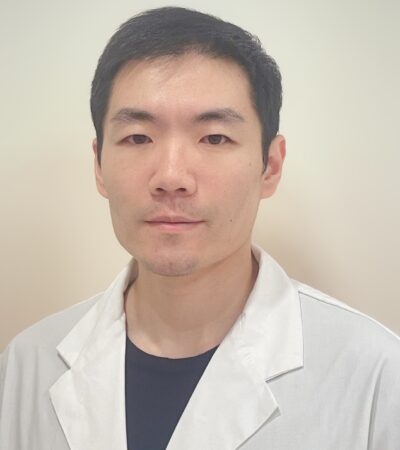
Li, Acupuncturist and Registered Massage Therapist
Acupuncturist and Registered Massage Therapist

Maria Luiza, Registered Massage Therapist
Registered Massage Therapist
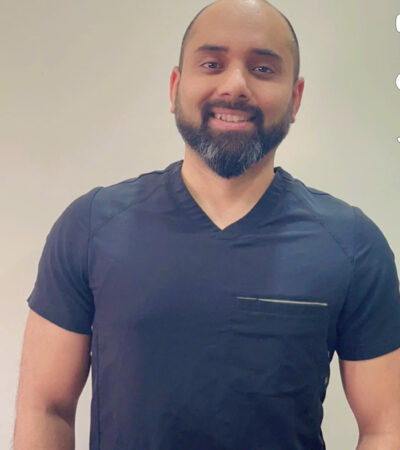
Mohammadrahil,Registered Physiotherapist
Registered Physiotherapist

Neha, Registered Physiotherapist
Registered Physiotherapist

Nishtha Patel, Registered Physiotherapist
Registered Physiotherapist

Noel, Registered Physiotherapist
Registered Physiotherapist

Paula, Director of Operations and Customer Service
Director of Operations and Customer Service

Ritu, Registered Massage Therapist
Registered Massage Therapist

Roopam, Registered Massage Therapist
Registered Massage Therapist

Shu, Registered Massage Therapist
Registered Massage Therapist

Tanvi, Registered Physiotherapist
Registered Physiotherapist

Ying, Registered Massage Therapist and Acupuncturist
Registered Massage Therapist , Acupuncturist

Zena, Office Staff
Office Staff

Alex, Operations Manager
Operations Manager

Sherry Ann, Branch Manager
Branch Manager

Amanda, Manager Training and Development
Manager Training and Development

Kripaliben, Registered Physiotherapist
Registered Physiotherapist

Rhoda, Registered Physiotherapist
Registered Physiotherapist

Jacquelin, Registered Physiotherapist
Registered Physiotherapist

Rochelle, Registered Physiotherapist
Registered Physiotherapist

Rhoda, Registered Physiotherapist
Registered Physiotherapist

Dr. Daniella Astorino, DC, Chiropractor
Chiropractor

Dr. Annamaria De Fina, DC, Chiropractor
Chiropractor

Dr. Alvin De Leon, DC, Chiropractor
Chiropractor – New German Medicine Therapy

Dr. Steve Cho, DC, Chiropractor
Chiropractor

Dr. Rahim Habib, Naturopath
Doctor of Naturopath

Babak, Acupuncturist & holistic and alternative health care provider
Acupuncturist & holistic and alternative health care provider

Olivia, Acupuncturist
Acupuncturist
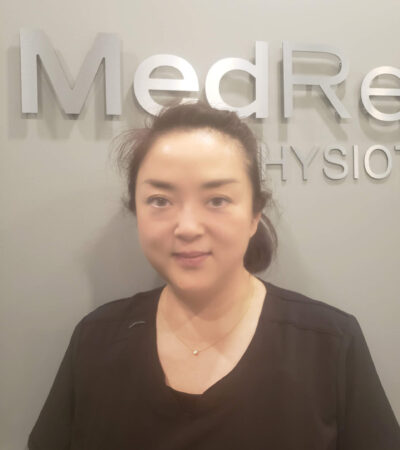
Dong, Registered Massage Therapist
Registered Massage Therapist
Lin, Registered Massage Therapist
Registered Massage Therapist

Preet, Registered Massage Therapist
Registered Massage Therapist

Judith, Registered Massage Therapist
Registered Massage Therapist
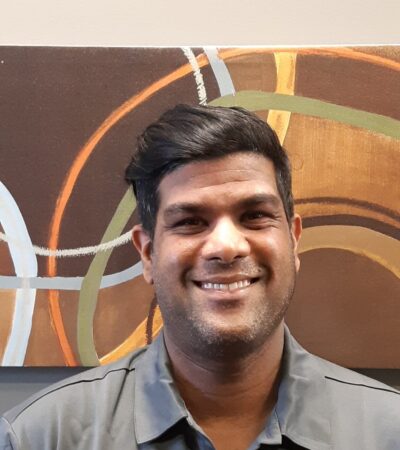
Stephan, Registered Massage Therapist
Registered Massage Therapist

Christina, Registered Massage Therapist
Registered Massage Therapist

Alla, Registered Massage Therapist
Registered Massage Therapist
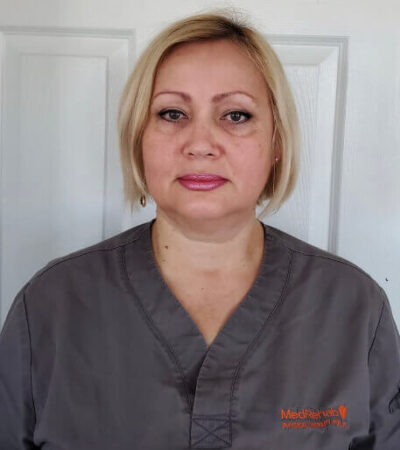
Larissa, Registered Massage Therapist
Registered Massage Therapist

Craig, Registered Massage Therapist
Registered Massage Therapist

Millora (Mildred), Registered Massage Therapist
Registered Massage Therapist

Sharon (Ting), Registered Massage Therapist
Registered Massage Therapist
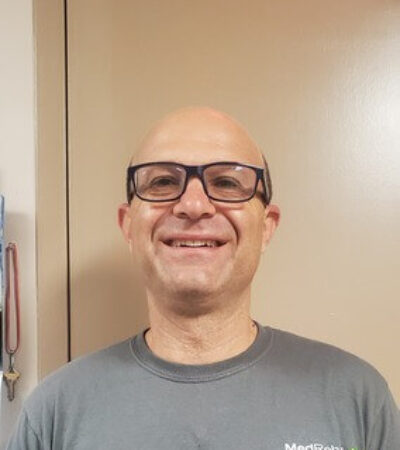
Guido, Physiotherapist Assistant and Athletic Therapist
Athletic Therapist and Athletic Therapist

Elizabeth, Office Staff
Office Staff

Anicia, Office Manager
Office Manager

Rachelle, Physiotherapist Assistant /Admin
Physiotherapist Assistant /admin

Varinder, Branch Manager
Branch Manager

Catherine, Office Staff
Office Staff

Rami, Office Staff
Office Staff