


Determining The Origins of Your Pain
Are you tired of dealing with pain day in and day out? Have you been struggling with persistent pain for months or even years, and it’s taking a bigger and bigger toll on your life? For some people with pain, the simplest tasks are now major challenges, and over-the-counter and/or prescription pain meds don’t seem to provide any relief.
Unfortunately, this is a common experience for millions of Americans. Recent research has found that over 100 million people suffer from persistent pain each year. This is where MedRehabGroup steps in.
At MedRehabGroup, we understand that pain comes in various forms, affecting people in unique ways. We’re committed to staying at the forefront of the latest advancements in pain management, ensuring that our patients receive the best care possible.
We know that pain can be overwhelming, but we’re here to remind you that there is hope!


Our Patients Get Great Results
“I had an excellent experience at this physiotherapy clinic. From the moment I walked in, the very friendly staff made me feel very welcome and comfortable. The therapists take their time to explain every step of the treatment, answer questions, and make sure you feel supported throughout the process. The service here is outstanding, and I would highly recommend this clinic to anyone looking for quality physiotherapy care.” – Nicolle
Understanding Different Types of Pain
Pain is a complex sensation, and it can be categorized into five main types, each with its own characteristics and underlying mechanisms. Here’s an explanation of these types:
- Nociceptive Pain: This type of pain results from the stimulation of specialized nerve sensors called nociceptors. Nociceptive pain is often described as sharp, aching, or throbbing and is typically localized. It can be acute, like when you accidentally bump your knee, or chronic, as seen in conditions like arthritis.
- Central Pain: Central pain arises from dysfunctions within the central nervous system (i.e., the brain and spinal cord). Central pain starts inside the central nervous system itself. Examples include fibromyalgia and pain associated with spinal cord injuries.
- Neuropathic Pain: This pain type is caused by nerve damage or dysfunction. It may manifest as burning, tingling, or shooting sensations. It is typically associated with conditions like diabetic neuropathy or nerve injuries (i.e., sciatica).
- Psychosocial Pain: Psychosocial pain involves mental and/or social factors influencing pain perception. Stress, anxiety, depression, and social support (or lack thereof) can significantly influence how pain is experienced. It is not directly tied to tissue damage but is due to mental and emotional states.
- Movement System Pain: This pain is directly related to the biomechanics of movement, such as issues with joint positions or control and/or muscle imbalances. Physical therapists often work with this type of pain, prescribing targeted exercises to correct movement dysfunctions contributing to the discomfort.
Regardless of the type of pain you’re dealing with, our therapists will work with you to identify and target the sources of your pain. We’ll use gentle techniques and exercises to address these issues and help you find relief.
Finding Relief from Pain with Physical Therapy
When you come to a physical therapy session at MedRehabGroup, you’re taking a significant step towards finding relief from pain and improving your overall well-being. Your first session will typically begin with questions about your medical history, the specific nature of your pain, its location, and any factors that make it better or worse.
After discussing your medical history, your therapists will evaluate your posture, muscle strength, range of motion, and any areas of tenderness. They’ll also assess your movement patterns to identify any abnormalities or dysfunctions.
Based on the information gathered during the evaluation, your therapist will work to identify the underlying issue causing your pain. This may involve determining the type of pain (e.g., nociceptive, neuropathic, or movement system-related) and its primary sources.
Once your therapist has a clear understanding of your condition, they will create a personalized treatment plan tailored to your needs. Our treatments may include manual therapy techniques to release tension and improve joint mobility. Exercise is another crucial component, tailored to your specific needs and designed to correct any movement dysfunctions. Education plays a vital role in empowering you with the knowledge and tools to manage your pain effectively.
Patients are often fearful of making their condition worse. As a result, they often either do nothing or get so frustrated that they ignore clear warning signs and push through. In either case, the result is more suffering. The key is to find a balance in the middle, where you do just enough to improve but not enough to make it worse. At MedRehabGroup, our therapists will help you find that balance, guiding you through the steps you need to take to feel good again!

Go to the Pain, Not Through the Pain
Is pain affecting your life? Does it seem like everything you try doesn’t seem to help?
Too often, the frustration of dealing with daily pain leads people to ignore or try to push through their pain. It doesn’t help that the terrible slogan “no pain, no gain” has become a part of our culture in Canada. Learning how to navigate pain is essential to finding the relief so many people seek.
Whether you’re tired of sporadic aches and pain or struggling with chronic discomfort, physical therapy at MedRehabGroup plays a vital role not just in treating pain but also in teaching patients how to manage their pain effectively.
Simple Tips to Find Relief
Our team will start by explaining the type of pain the patient is experiencing—be it nociceptive, central, neuropathic, psychosocial, or movement system pain. This helps you understand the root cause of your pain, allowing for targeted treatments addressing your unique situation.
Here’s an overview of common tools we use to empower our patients:
- Pain Management Strategies: Breathing exercises and relaxation techniques can sometimes be as effective as medication in reducing pain.
- Activity Modification: Sometimes, small changes can make a big difference. By changing how they perform their daily activities, patients can reduce the risk of pain flare-ups.
- Gradual Progression of Exercise: Starting slow and building up gradually can help patients realize that movement doesn’t have to be painful, reducing fear and improving function over time.

We’ve Got You
Our physical therapists will give you the tools and knowledge you need to take an active role in your pain management, making your treatment more effective and lasting. Remember the slogan, “go to the pain, not through the pain,” to guide your progress!
Exercise of the Month
Resistance Presses
Sit or stand tall with your head in a neutral position. Place one hand on your forehead. Gently press your head forward into your hand while resisting the motion with your hand. Hold briefly, then relax. Repeat with your hand placed on the back, and each side of your head to target all directions.
3 Sets, 10 Reps (each direction).
Why Completing Your Physiotherapy Program Matters
When you start physiotherapy, your therapist designs a personalized treatment plan with a clear goal: helping you recover fully and prevent your pain or injury from coming back. While it may be tempting to stop once you start to feel better, completing the full program of care is key to long-term success.
Here’s why finishing your plan makes a difference:
- Lasting Results – Early relief is often just the first step. Continuing care helps strengthen and retrain your body so the improvements last.
- Preventing Setbacks – Stopping too soon may leave your muscles, joints, or nerves vulnerable, increasing the risk of re-injury.
- Faster Return to Daily Life – Completing your program ensures you can get back to the activities you love with confidence.
- Building Healthy Habits – Sticking with the plan helps you learn exercises and strategies that support your health well beyond your current injury.
Your physiotherapy journey is about more than short-term relief. It’s about giving your body the time and guidance it needs to fully heal and stay strong. By following through with your treatment plan, you’re investing in your recovery and your future health.
Depressed? Stressed? Struggling to Cope? We Can Help!
In today’s fast-paced world, caring for our mental health is just as important as treating our bodies. That’s why we’re excited to introduce our Virtual Psychotherapist, a convenient, supportive way to access professional mental health care from the comfort of home.
Here’s what makes our virtual mental health service meaningful:
- Easy Access from Anywhere: Whether you’re at home or on the go, you can connect with our therapist online, making it easier to fit care into your schedule.
- Flexible, Personalized Support: Whether you’re dealing with stress, anxiety, change, or just need someone to talk to, our Virtual Psychotherapist can help guide you, offering tailored strategies and support that fit your life.
- Safe, Confidential, and Comfortable: Virtual sessions maintain full privacy and professionalism, while offering a comforting setting that lets you feel more at ease sharing your thoughts and feelings.
- Complementary to Your Physical Wellness Journey: Holistic healing includes both body and mind. By combining your physiotherapy or chiropractic care with mental health support, you’re investing in complete, long-term wellness.
Healthy Recipe: Warm Blueberry Almond Baked Oatmeal Bars

Ingredients:
- 2 cups rolled oats
- 1 teaspoon baking powder
- 1 teaspoon cinnamon
- Pinch of salt
- 1 ¾ cups milk (dairy or non-dairy)
- 1 egg (or flax egg)
- 2 tablespoons maple syrup or honey
- 1 teaspoon vanilla extract
- 1 tablespoon melted coconut oil or butter
- 1 cup fresh or frozen blueberries
- ¼ cup sliced almonds
Instructions:
- Preheat oven to 350°F (175°C). Lightly grease a small baking dish.
- Mix dry ingredients in a bowl: oats, baking powder, cinnamon, salt.
- Whisk wet ingredients in another bowl: milk, egg, maple syrup, vanilla, melted oil.
- Combine & fold in blueberries.
- Pour into dish, sprinkle almonds on top.
- Bake 30–35 minutes until golden and set in the center.
Meet Our Team

Alexandr, Osteopath
Osteopath

Andrew, Acupuncture and Herbal Medicine
Acupuncture and Herbal Medicine

Aqsa, Registered Physiotherapist
Registered Physiotherapist

Archita, Registered Physiotherapist
Registered Physiotherapist

Audrey,Registered Acupuncturist and Traditional Chinese Medicine Practitioner
Registered Acupuncturist

Ben, Chiropodist
Chiropodist

Daniella, Office Manager
Office Manager


Dr. Jamaal Coke, Chiropractor
Chiropractor

El Ana Rhoda, Registered Physiotherapist
Registered Physiotherapist

Jazzlyn, Office Staff
Admin and Reception
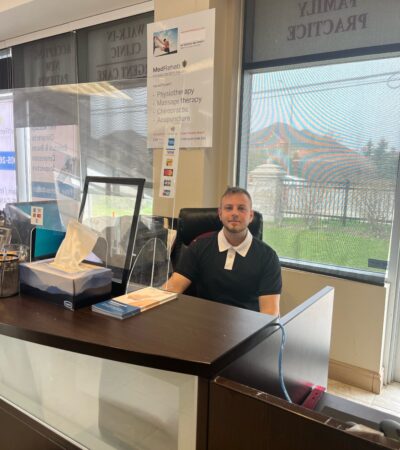
Jonathan, Manager
Manager

Li, Acupuncturist and Registered Massage Therapist
Acupuncturist and Registered Massage Therapist

Maria Luiza, Registered Massage Therapist
Registered Massage Therapist

Mohammadrahil,Registered Physiotherapist
Registered Physiotherapist

Neha, Registered Physiotherapist
Registered Physiotherapist

Nishtha Patel, Registered Physiotherapist
Registered Physiotherapist

Noel, Registered Physiotherapist
Registered Physiotherapist

Paula, Director of Operations and Customer Service
Director of Operations and Customer Service

Ritu, Registered Massage Therapist
Registered Massage Therapist

Shu, Registered Massage Therapist
Registered Massage Therapist

Tanvi, Registered Physiotherapist
Registered Physiotherapist

Ying, Registered Massage Therapist and Acupuncturist
Registered Massage Therapist , Acupuncturist

Zena, Office Staff
Office Staff

Alex, Operations Manager
Operations Manager

Sherry Ann, Branch Manager
Branch Manager

Amanda, Manager Training and Development
Manager Training and Development

Kripaliben, Registered Physiotherapist
Registered Physiotherapist

Rhoda, Registered Physiotherapist
Registered Physiotherapist

Jacquelin, Registered Physiotherapist
Registered Physiotherapist

Rochelle, Registered Physiotherapist
Registered Physiotherapist

Rhoda, Registered Physiotherapist
Registered Physiotherapist

Dr. Daniella Astorino, DC, Chiropractor
Chiropractor

Dr. Annamaria De Fina, DC, Chiropractor
Chiropractor

Dr. Alvin De Leon, DC, Chiropractor
Chiropractor – New German Medicine Therapy

Dr. Steve Cho, DC, Chiropractor
Chiropractor

Dr. Rahim Habib, Naturopath
Doctor of Naturopath

Babak, Acupuncturist & holistic and alternative health care provider
Acupuncturist & holistic and alternative health care provider

Olivia, Acupuncturist
Acupuncturist
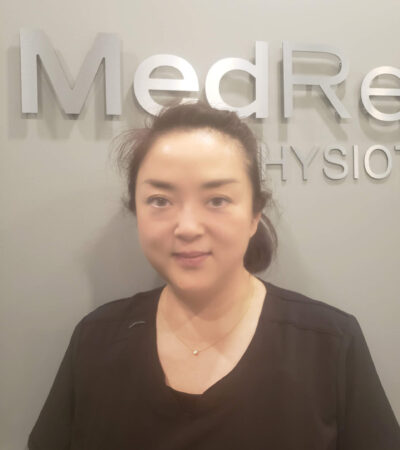
Dong, Registered Massage Therapist
Registered Massage Therapist
Lin, Registered Massage Therapist
Registered Massage Therapist

Preet, Registered Massage Therapist
Registered Massage Therapist

Judith, Registered Massage Therapist
Registered Massage Therapist

Stephan, Registered Massage Therapist
Registered Massage Therapist

Christina, Registered Massage Therapist
Registered Massage Therapist

Alla, Registered Massage Therapist
Registered Massage Therapist

Larissa, Registered Massage Therapist
Registered Massage Therapist

Craig, Registered Massage Therapist
Registered Massage Therapist

Millora (Mildred), Registered Massage Therapist
Registered Massage Therapist

Sharon (Ting), Registered Massage Therapist
Registered Massage Therapist
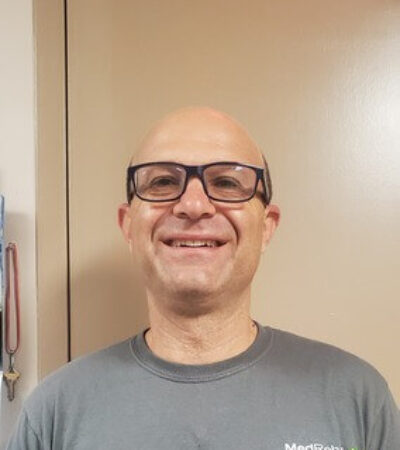
Guido, Physiotherapist Assistant and Athletic Therapist
Athletic Therapist and Athletic Therapist

Elizabeth, Office Staff
Office Staff

Anicia, Office Manager
Office Manager

Rachelle, Physiotherapist Assistant /Admin
Physiotherapist Assistant /admin

Varinder, Branch Manager
Branch Manager

Catherine, Office Staff
Office Staff

Rami, Office Staff
Office Staff