



Does Stress Cause Neck Pain?
February 2025 Newsletter
Does stress cause neck pain? The short answer is no! At MedRehab Group, we like to say “contributes to” instead of “cause.” The casual way healthcare professionals throw around terms can lead to confusion and, worse still, ineffective treatment. Fortunately, our highly skilled therapists know how to dig deep and find the root cause of your neck pain, and this information helps you find relief!
Let’s discuss Nicole, a 40-something-year-old working mother of three. Nicole was used to being very active, balancing her work schedule with getting her kids to all the various activities and school functions that come with being a mom nowadays.
Her neck pain first started as a crick in the neck when she woke up one morning. As the day progressed from driving her kids around to sitting at her desk, she noticed turning her head became more difficult and painful, making focusing on work nearly impossible.
Nicole struggled to figure out why her neck started hurting and came to the conclusion that stress “must be” the culprit. The more pain and difficulty moving she had, the more convinced she was that stress was to blame.

Understanding Nicole’s Neck Pain
One of the most common things we hear from our patients is that their pain started for “no apparent reason.” Like Nicole, people will wake up with a crick in their neck or notice a stiffness turning when driving in the car. It is also common for people to notice tightness in their upper back and neck after a long day.
So, what is actually the source of the pain? In most cases, there is an issue with the neck joints or the neck muscles due to prolonged positions. Our neck joints don’t like remaining in any position for extended periods. In Nicole’s case, she first noticed her pain in the morning, which may have been related to her neck position while sleeping. It is also important to note that in Nicole’s case, the first sign of any issue was in the morning when she woke up, unrelated to stress.
As Nicole’s day progressed, her pain got worse. But this also was more likely related to how she held her neck while driving or sitting at her computer. In both cases, her posture, specifically how she held her neck, seems to have contributed to her pain. Prolonged sitting can lead to a forward head position, resulting in tension to soft tissue (i.e., muscles, tendons, and ligaments) or negative changes to our blood flow.
The muscles of our neck function best when we move them. So, holding her head in one position likely led to irritation of the muscles and affected her ability to move her neck, which in turn caused stress.
Stress “contributes” to neck pain because, when we experience stress, our bodies naturally respond by tensing up as a protective measure. This tension can lead to discomfort, particularly in the neck and upper back region. Research studies have found that individuals with higher stress levels reported increased neck pain as compared to those with lower stress levels. This is why we say “contributes” to, but not the cause of, neck pain.
How Physiotherapy Can Help Alleviate Neck Pain
We will target the source of your pain by performing a thorough examination, starting with your medical history and details about how, when, and where your symptoms began. As we saw with Nicole, determining how, when, and why the pain started helps us eliminate possibilities and get to the actual root cause(s).
Our therapists will also analyze your posture and movement to identify any limitations or restrictions contributing to your condition. We’ll use this information to design a program that addresses your specific needs.
Our treatment plans focus on relieving your pain and improving your posture, mobility, strength, etc., and educating you about managing your symptoms. Your program will likely include manual therapy (i.e., soft tissue work and/or joint mobilizations), targeted stretches, exercises, activity modification, or posture recommendations.
We’ll listen to your unique situation and specific issues and then work to help you find relief and get back to your normal routine.
Book Your Appointment Today!
If you’re dealing with neck pain or looking for someone to help you figure out what is causing your issues, call us today and set up a consultation!

Our Patients Get Great Results
“3 years of treatments here, and I wouldn’t recommend anywhere else! Acupuncture, massage, physio, chiro, naturopathic, I’ve seen and love them all!”
– BeK C.
Unconventional Yet Effective Solutions for Neck Pain
Do you ever wake up with a stiff neck and wonder why it keeps happening? You’re not alone. Neck pain is pretty common, and it can be super annoying. But guess what? There are solutions, including some more unusual ones you may not have heard about yet.
Our therapists at MedRehab Group use cutting-edge approaches to ensure you find the most effective ways to find lasting relief!
How to Help Your Neck Pain — Tips You May Not Know
Tackling neck pain is not just about focusing on the neck itself. By implementing these unconventional yet scientifically-backed recommendations into your daily routine, you’re setting yourself on a path toward relief and lasting wellness.
Lumbar Support Can Alleviate Neck Pain
The way your lower back is positioned has a big effect on your neck. Using lumbar support can help you sit up straight, letting your neck sit over your shoulders like it should.
When you know you will be sitting for a while, whether at work or in the car, use a rolled-up towel or buy a lumbar roll to put in your lower back. Even though you’re changing the lower back position, your neck will thank you!
Why Thoracic Mobility Matters
The thoracic spine consists of the 12 vertebrae in your mid-back. It plays a critical role in your overall spinal function. When this area is stiff or restricted, your neck compensates by moving more than it should. This often leads to a forward head posture, which can strain the neck muscles and lead to long-term pain.
Mind-Body Connection
Believe it or not, the state of your mind can also help heal your neck pain. Research has shown that stress can intensify pain, so techniques like mindfulness and breathing exercises can help reduce stress levels. Just a few minutes a day of deep breathing can go a long way.
Using unconventional techniques like lumbar support, thoracic mobility exercises, and even mindfulness can help you feel better faster. Why not give these unconventional methods a try? Your neck will be happier for it!

Feel Better by Eating Better!
Gluten-Free Breakfast Hash
Ingredients:
- 5 medium-large potatoes washed and peeled
- 1 large white onion chopped
- 2 tbsp extra virgin olive oil
- 2 green onions trimmed and finely chopped
- 4 eggs
- 1/4 cup shredded cheddar cheese
- salt and pepper to taste
- 1/4 tsp paprika
Directions:
Cut potatoes into 1/2 inch wedges. Heat olive oil in a large cast iron skillet or frying pan over medium heat. Cook potatoes for 25 minutes, covered, stirring every 4-5 minutes. Add chopped white onion. Cook for another 5-10 minutes, uncovered, and stirring constantly.
When potatoes are crispy and golden brown, add green onions, salt, and pepper. Stir through. With your spatula, make four wells in the potatoes and crack an egg into each one. Sprinkle shredded cheddar all around. Cook until the egg whites are set, or until your liking. Cover pan with lid for poached eggs. Add more olive oil on eggs if desired. Sprinkle eggs with a pinch of paprika seasoning. Serve immediately.
Exercise of the Month
Cervical Retraction and Extension With Towel
Start by standing up straight. Wrap a towel around the back of your head and hold the ends with both hands in front of you. Tuck your chin, pushing your head back into the towel and then raise your chin up towards the ceiling against the towel. Return to start. Repeat 3 sets, 10 reps each.


Meet Our Team
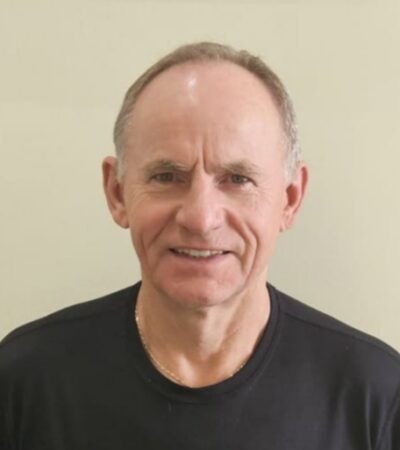
Alexandr, Osteopath
Osteopath

Andrew, Acupuncture and Herbal Medicine
Acupuncture and Herbal Medicine

Aqsa, Registered Physiotherapist
Registered Physiotherapist

Archita, Registered Physiotherapist
Registered Physiotherapist

Audrey,Registered Acupuncturist and Traditional Chinese Medicine Practitioner
Registered Acupuncturist

Ben, Chiropodist
Chiropodist

Daniella, Office Manager
Office Manager


Dr. Jamaal Coke, Chiropractor
Chiropractor

El Ana Rhoda, Registered Physiotherapist
Registered Physiotherapist

Jazzlyn, Office Staff
Admin and Reception
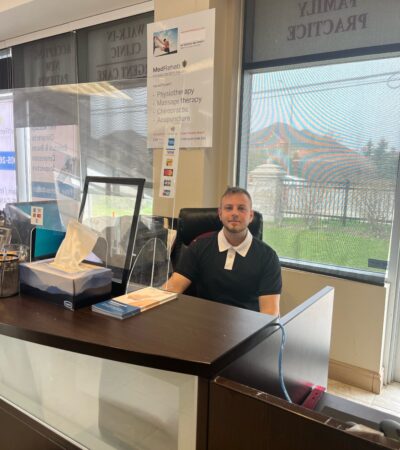
Jonathan, Manager
Manager
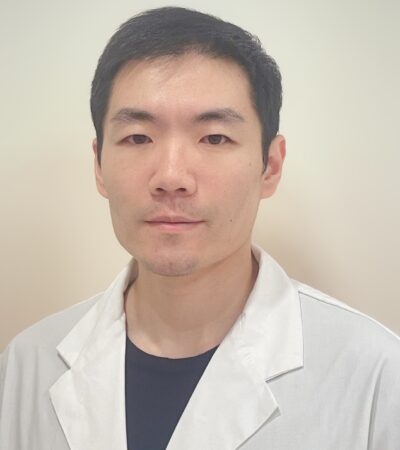
Li, Acupuncturist and Registered Massage Therapist
Acupuncturist and Registered Massage Therapist

Maria Luiza, Registered Massage Therapist
Registered Massage Therapist
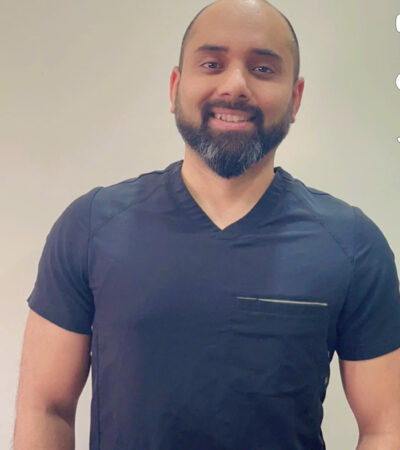
Mohammadrahil,Registered Physiotherapist
Registered Physiotherapist

Neha, Registered Physiotherapist
Registered Physiotherapist

Nishtha Patel, Registered Physiotherapist
Registered Physiotherapist

Noel, Registered Physiotherapist
Registered Physiotherapist

Paula, Director of Operations and Customer Service
Director of Operations and Customer Service

Ritu, Registered Massage Therapist
Registered Massage Therapist

Shu, Registered Massage Therapist
Registered Massage Therapist

Tanvi, Registered Physiotherapist
Registered Physiotherapist

Ying, Registered Massage Therapist and Acupuncturist
Registered Massage Therapist , Acupuncturist

Zena, Office Staff
Office Staff

Alex, Operations Manager
Operations Manager

Sherry Ann, Branch Manager
Branch Manager

Amanda, Manager Training and Development
Manager Training and Development

Kripaliben, Registered Physiotherapist
Registered Physiotherapist

Rhoda, Registered Physiotherapist
Registered Physiotherapist

Jacquelin, Registered Physiotherapist
Registered Physiotherapist

Rochelle, Registered Physiotherapist
Registered Physiotherapist

Rhoda, Registered Physiotherapist
Registered Physiotherapist

Dr. Daniella Astorino, DC, Chiropractor
Chiropractor

Dr. Annamaria De Fina, DC, Chiropractor
Chiropractor
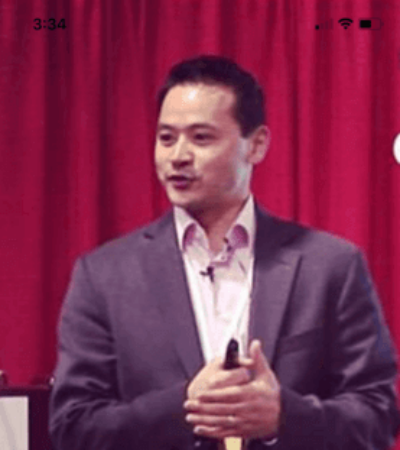
Dr. Alvin De Leon, DC, Chiropractor
Chiropractor – New German Medicine Therapy
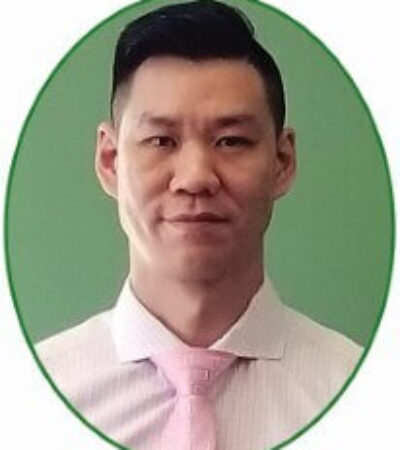
Dr. Steve Cho, DC, Chiropractor
Chiropractor

Dr. Rahim Habib, Naturopath
Doctor of Naturopath

Babak, Acupuncturist & holistic and alternative health care provider
Acupuncturist & holistic and alternative health care provider

Olivia, Acupuncturist
Acupuncturist
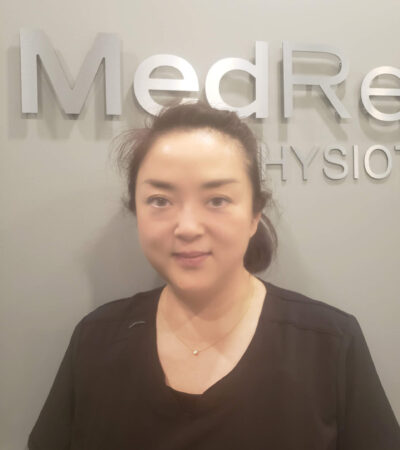
Dong, Registered Massage Therapist
Registered Massage Therapist
Lin, Registered Massage Therapist
Registered Massage Therapist

Preet, Registered Massage Therapist
Registered Massage Therapist

Judith, Registered Massage Therapist
Registered Massage Therapist
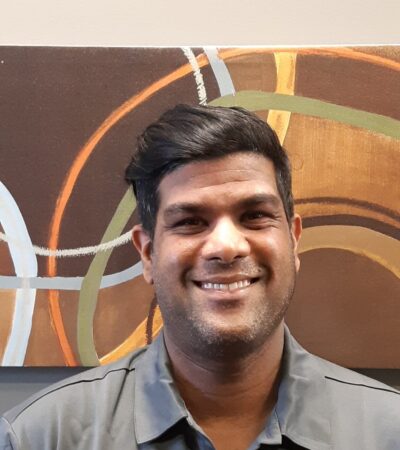
Stephan, Registered Massage Therapist
Registered Massage Therapist

Christina, Registered Massage Therapist
Registered Massage Therapist

Alla, Registered Massage Therapist
Registered Massage Therapist

Larissa, Registered Massage Therapist
Registered Massage Therapist

Craig, Registered Massage Therapist
Registered Massage Therapist

Millora (Mildred), Registered Massage Therapist
Registered Massage Therapist

Sharon (Ting), Registered Massage Therapist
Registered Massage Therapist
Guido, Physiotherapist Assistant and Athletic Therapist
Athletic Therapist and Athletic Therapist

Elizabeth, Office Staff
Office Staff

Anicia, Office Manager
Office Manager

Rachelle, Physiotherapist Assistant /Admin
Physiotherapist Assistant /admin

Varinder, Branch Manager
Branch Manager
Catherine, Office Staff
Office Staff

Rami, Office Staff
Office Staff