


Take a Proactive Approach to Arthritis Pain with Physical Therapy
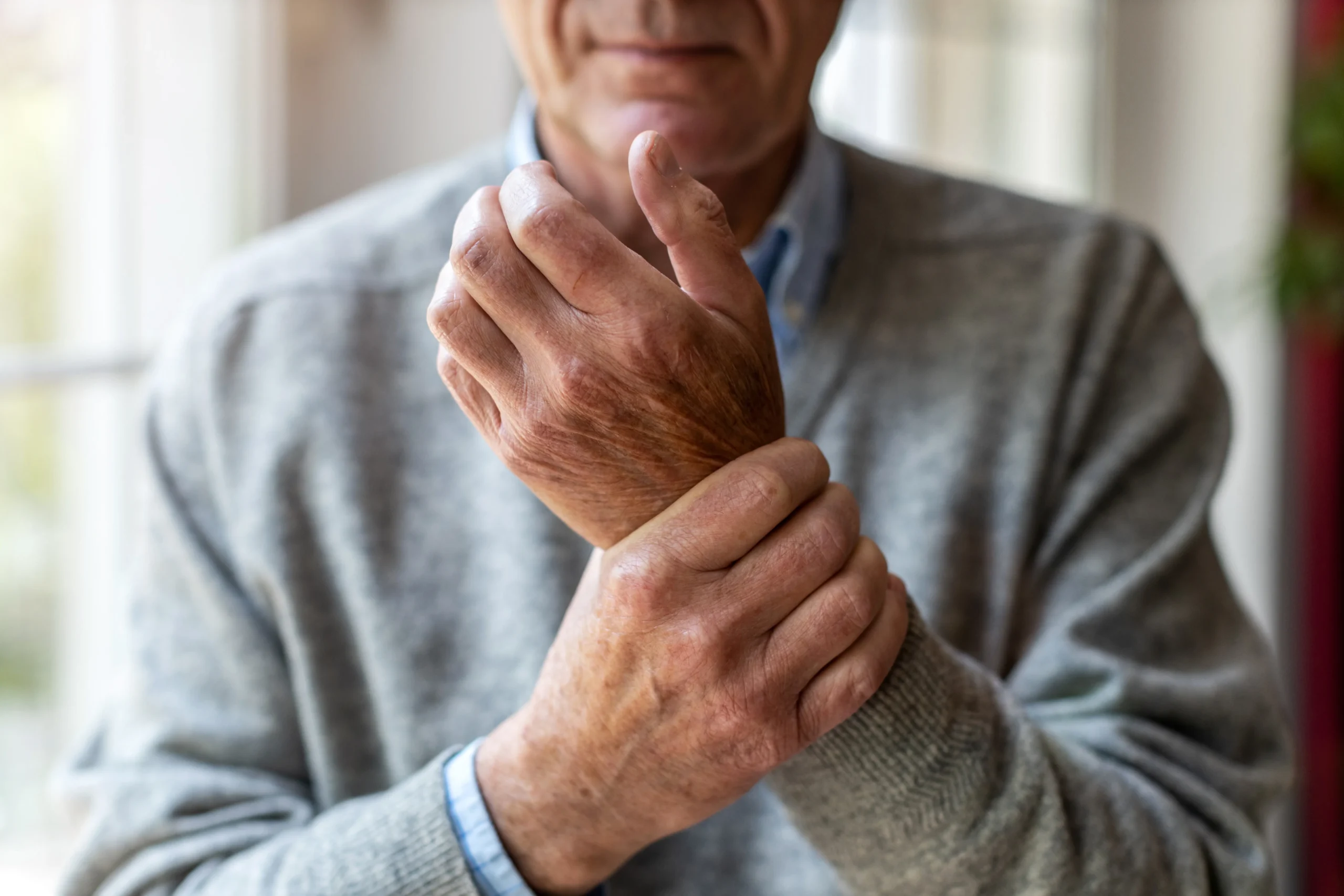
Have you recently learned that your persistent joint pain is the result of arthritis?
For many, this can be a challenging discovery, as the most common forms of arthritis have no known cures. But rest assured that you do not have to spend your life living with debilitating joint pain — physical therapy can help!
Arthritis refers to several conditions that cause joint inflammation, leading to its two primary symptoms: pain and mobility restriction. The most common form of arthritis, osteoarthritis, can cause pain during movement. It’s no surprise, then, that many people with arthritis wind up avoiding physical activity.
In reality, regular physical activity is one of the best ways to manage arthritis pain. Physical activity can also help delay the progression of arthritis — and help you avoid surgery. As movement experts, the team at MedRehab Group is well-equipped to help you manage your arthritis pain. The physical therapy approach to arthritis management focuses on drug-free pain relief and regular movement. Best of all, it allows you to take a proactive role in your treatment.
At MedRehab Group, our team of specialized physical therapists is fully equipped to guide you toward the relief you’ve been seeking, allowing you to get back to the activities you genuinely love without pain!

Hamilton Clinic Hits 1,000 Google Reviews!
We’re proud to share that our Hamilton location has officially reached 1,000 Google Reviews! Thank you to our amazing patients for trusting us with your care and taking the time to share your experiences.

Our Patients Get Great Results
“Found MedRehab Group after being in a car accident. The process of coordinating with insurance and scheduling appointments was seamless. Before coming here my injury caused me a lot of pain and interfered with my day to day life. Been coming here for treatment for about four months now and have noticed improvement with my injury. They take the time to make a personalized treatment plan as well as explain the reasoning for exercises and practices. Aqsa and her team are patient, professional, and organized. They are kind and good people with expertise level knowledge. Always feel like I’m in good hands here.” – Lisa
Got Arthritis? What To Expect if You Skip Regular Exercise
- Your muscles will weaken: One of the big benefits of exercise is that it builds muscle mass. If you don’t exercise regularly, your muscle mass will decrease — especially if you’re older, as muscle mass naturally decreases as we age. What does this mean if you have arthritis? Without strong muscles, your impacted joints don’t get the strength and stability they need to function, which puts even more stress on them — and means more pain in the long run.
- You increase your risk of injury: When you don’t exercise, you start to lose everyday abilities like balance, stability, and coordination. You can also develop muscular imbalances, improper biomechanics, or postural issues, all of which increase your odds of suffering an injury.
- Your joints will get stiffer: Our bodies are made to move, and when we don’t move them frequently enough, our joints don’t get the lubrication they need to run properly. This is as true for people with arthritis as it is for anyone else. Plus, since arthritis causes joint stiffness, not moving will only worsen your symptoms.
Rheumatoid Arthritis: A Quick Dive
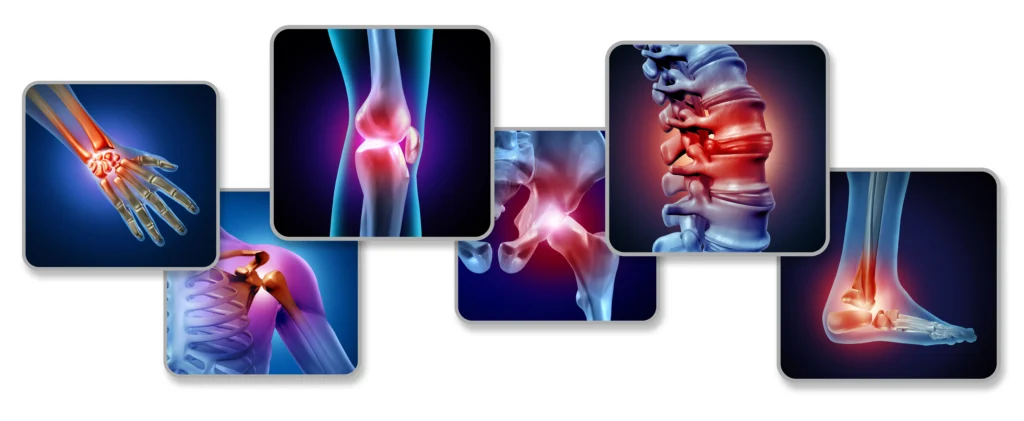
Most discussions of arthritis focus on osteoarthritis, and for good reason: it’s the most common form of arthritis in the United States. However, about 2-3% of the population develops rheumatoid arthritis (RA). It causes similar symptoms as osteoarthritis, including joint pain and limited mobility. The good news is that physical therapy can help manage rheumatoid arthritis just as it can osteoarthritis. If you’ve recently received an RA diagnosis, schedule an appointment at MedRehab Group to learn what we can do for you.
What You Should Know About Rheumatoid Arthritis
What It Is: RA is an autoimmune condition occurring when your body’s immune system attacks otherwise healthy cells–in this case, the soft tissue in your joints. Researchers currently aren’t clear on what causes this to happen, however.
Signs and Symptoms: RA’s symptoms tend to go through cycles of flares and remissions. This means you’ll have periods where symptoms are more intense and periods where they are less troublesome. These symptoms include:
- Pain and swelling in joints on both sides of your body
- A gradual onset of joint pain, starting with the small joints in your fingers
- Stiffness and restricted range of motion in the affected joints, particularly first thing in the morning
- Redness, warmth, and tenderness in the affected joints
- Fatigue, low-grade fever, and a general sense of feeling unwell
What Else Should I Know?
RA is more common among women than men. As with other forms of arthritis, regular physical activity can help manage RA symptoms. In fact, physical therapy at MedRehab Group offers a great, drug-free approach to managing RA. Want to learn more? Call to schedule your appointment today!
Staff Spotlight: Dr. Kritika Soin
Dr. Kritika Soin graduated with a Bachelor of Science degree with a double major in Biology and Psychology. During her undergraduate studies, she developed a deep appreciation for personal wellness, which gradually evolved into a passion for holistic health. She believes that true well-being is rooted in the balance of mind, body, and soul.
Driven by her love for health and a strong desire to help others, Dr. Soin pursued her Doctor of Chiropractic degree at the Canadian Memorial Chiropractic College. She is dedicated to delivering evidence-based, holistic care that integrates manual therapy techniques, exercise therapy, and patient education. With over eight years of academic and life experience, she brings a well-rounded, compassionate approach to every treatment session.
Outside of the clinic, Dr. Soin enjoys embodying the lifestyle she encourages in her patients. Whether it’s attending group fitness classes like Pilates, hot yoga, or spin, or lifting weights to maintain joint and bone health, she stays active and engaged. On her days off, she loves hiking with her dog, Rio, and spending quality time with friends and family over great food and laughter.
Dr. Soin looks forward to supporting each individual on their journey toward better health and wellness.

Exercise of the Month
Towel Curls
Sit in a chair with your feet flat on the floor and a small towel placed under your toes. Using only your toes, scrunch the towel toward you, curling and gripping it with your feet. Relax and repeat. This strengthens the foot muscles and supports arch control. 3 Sets, 10 Reps. (Materials needed: chair, small towel)
What Happens When You Do Exercise with Arthritis
- You’ll experience other physical and mental benefits: Exercise offers many benefits beyond pain management. It can improve mood and quality of sleep, protect you from heart disease and diabetes, and help you stay active and independent well into old age.
- You’ll experience less pain: While it’s true that activity can initially worsen arthritis pain, regular exercise will decrease your pain symptoms over time.
- You’ll experience fewer mobility restrictions: Just as regular exercise can decrease pain, it will also help improve your range of motion — meaning you can move more easily.
- The progression of your arthritis may slow: Both osteoarthritis and rheumatoid arthritis — the two most common forms of arthritis — will gradually worsen over time and may eventually require you to undergo surgery. Exercising won’t cure arthritis, but it will slow the damage to your joints.
- You may feel more empowered: Living with a chronic condition is hard. Regular exercise can help you feel like you’re taking an active role in managing your condition and reducing your pain.
Ready to Start Exercising? MedRehab Group Can Help!
While the benefits of regular exercise for arthritis are undeniable, getting started can be challenging. Which movements are safe for you to perform? Which will provide you with the most benefits? What should you do if even simple movement is too painful?
This is where our physical therapists shine! We’ll create a customized arthritis treatment plan that speaks to your needs and abilities. Here’s a taste of all that we can offer:
- Acute pain management using manual techniques and pain relieving modalities
- Personalized exercise programs with targeted, progressive exercises that build strength and improve mobility
- Specialized exercise programs to address balance and other functional challenges
- Guidance on general exercise programs to keep you moving outside our clinic
Why Wait?
Don’t let arthritis keep you from living an active, healthy lifestyle. Call us today to find out more about our arthritis treatment programs!
Why Completing Your Physiotherapy Program Matters
When you start physiotherapy, your therapist designs a personalized treatment plan with a clear goal: helping you recover fully and prevent your pain or injury from coming back. While it may be tempting to stop once you start to feel better, completing the full program of care is key to long-term success.
Here’s why finishing your plan makes a difference:
- Lasting Results – Early relief is often just the first step. Continuing care helps strengthen and retrain your body so the improvements last.
- Preventing Setbacks – Stopping too soon may leave your muscles, joints, or nerves vulnerable, increasing the risk of re-injury.
- Faster Return to Daily Life – Completing your program ensures you can get back to the activities you love with confidence.
- Building Healthy Habits – Sticking with the plan helps you learn exercises and strategies that support your health well beyond your current injury.
Your physiotherapy journey is about more than short-term relief. It’s about giving your body the time and guidance it needs to fully heal and stay strong. By following through with your treatment plan, you’re investing in your recovery and your future health.
Supporting Your Well-Being: Introducing Our Virtual Psychotherapist
In today’s fast-paced world, caring for our mental health is just as important as treating our bodies. That’s why we’re excited to introduce our Virtual Psychotherapist, a convenient, supportive way to access professional mental health care from the comfort of home.
Here’s what makes our virtual mental health service meaningful:
- Easy Access from Anywhere
Whether you’re at home or on the go, you can connect with our therapist online, making it easier to fit care into your schedule. - Flexible, Personalized Support
Whether you’re dealing with stress, anxiety, change, or just need someone to talk to, our Virtual Psychotherapist can help guide you, offering tailored strategies and support that fit your life. - Safe, Confidential, and Comfortable
Virtual sessions maintain full privacy and professionalism, while offering a comforting setting that lets you feel more at ease sharing your thoughts and feelings. - Complementary to Your Physical Wellness Journey
Holistic healing includes both body and mind. By combining your physiotherapy or chiropractic care with mental health support, you’re investing in complete, long-term wellness.
Recipe of the Month: Sweet & Sour Tofu

Ingredients:
- 14 oz. extra-firm tofu
- 1 small red onion
- 1 green bell pepper
- 1 red bell pepper
- 1 (1″) piece ginger, peeled
- 2 garlic cloves, peeled
- 1/2 cup canned pineapple chunks, plus 1/3 cup pineapple juice, divided
- 1/3 cup low-sodium vegetable broth
- 3 Tbsp. unseasoned rice vinegar
- 2 Tbsp. reduced-sodium soy sauce or tamari
- 1 Tbsp. ketchup
- 1 Tbsp. light brown sugar
- 1 Tbsp. plus 1/3 cup cornstarch, divided
- 4 Tbsp. neutral oil, divided
- Kosher salt
- Steamed white rice, for serving
- Sesame seeds, for serving (optional)
Instructions:
- Place 3 layers of paper towels or a clean kitchen towel on a plate. Place tofu on towels and cover with another 3 layers of towels or another clean kitchen towel. Place a heavy can or skillet on top of tofu to press moisture out, pouring off excess water and replacing towels as they get soaked, 30 to 45 minutes (you can do this with a tofu press if you have one).
- Meanwhile, arrange a rack in center of oven; preheat to 425°. Cut onion and bell peppers into 1″ pieces. Into a medium bowl or large measuring cup, grate ginger and garlic. Add pineapple juice, broth, vinegar, soy sauce, ketchup, brown sugar, and 1 Tbsp. cornstarch and stir to combine.
- Break or cut tofu into rough 1″ pieces or cubes and transfer to a large bowl; season with 1 tsp. salt. Drizzle with 1 Tbsp. oil and gently toss tofu to coat. Sprinkle with remaining 1/3 cup cornstarch and gently toss until tofu is coated. Arrange on a parchment-lined baking sheet and drizzle with 2 Tbsp. oil.
- Bake tofu, turning halfway through, until light brown and crisp, 25 to 30 minutes.
- When tofu has about 12 minutes remaining, in a large skillet or wok over medium-high heat, heat remaining 1 Tbsp. oil. Add onion and bell peppers; season with salt, then toss to coat vegetables with oil. Cook, stirring frequently, until vegetables start to soften and blister on the surface, 4 to 5 minutes. Transfer vegetables to a plate.
- Reduce heat to medium. Whisk sauce to reincorporate cornstarch and pour into skillet. Bring to a simmer and cook, stirring occasionally, until slightly thickened, about 4 minutes. Add vegetables, tofu, and pineapple chunks to skillet and toss to coat in sauce.
- Divide rice among bowls. Spoon tofu mixture over. Top with sesame seeds (if using).
Meet Our Team
Alexandr, Osteopath
Osteopath

Andrew, Acupuncture and Herbal Medicine
Acupuncture and Herbal Medicine

Aqsa, Registered Physiotherapist
Registered Physiotherapist

Archita, Registered Physiotherapist
Registered Physiotherapist

Audrey,Registered Acupuncturist and Traditional Chinese Medicine Practitioner
Registered Acupuncturist

Ben, Chiropodist
Chiropodist

Daniella, Office Manager
Office Manager


Dr. Jamaal Coke, Chiropractor
Chiropractor

El Ana Rhoda, Registered Physiotherapist
Registered Physiotherapist

Jazzlyn, Office Staff
Admin and Reception

Jonathan, Manager
Manager
Li, Acupuncturist and Registered Massage Therapist
Acupuncturist and Registered Massage Therapist

Maria Luiza, Registered Massage Therapist
Registered Massage Therapist

Mohammadrahil,Registered Physiotherapist
Registered Physiotherapist

Neha, Registered Physiotherapist
Registered Physiotherapist

Nishtha Patel, Registered Physiotherapist
Registered Physiotherapist

Noel, Registered Physiotherapist
Registered Physiotherapist

Paula, Director of Operations and Customer Service
Director of Operations and Customer Service

Ritu, Registered Massage Therapist
Registered Massage Therapist

Shu, Registered Massage Therapist
Registered Massage Therapist

Tanvi, Registered Physiotherapist
Registered Physiotherapist

Ying, Registered Massage Therapist and Acupuncturist
Registered Massage Therapist , Acupuncturist

Zena, Office Staff
Office Staff

Alex, Operations Manager
Operations Manager

Sherry Ann, Branch Manager
Branch Manager

Amanda, Manager Training and Development
Manager Training and Development

Kripaliben, Registered Physiotherapist
Registered Physiotherapist

Rhoda, Registered Physiotherapist
Registered Physiotherapist

Jacquelin, Registered Physiotherapist
Registered Physiotherapist

Rochelle, Registered Physiotherapist
Registered Physiotherapist

Rhoda, Registered Physiotherapist
Registered Physiotherapist

Dr. Daniella Astorino, DC, Chiropractor
Chiropractor

Dr. Annamaria De Fina, DC, Chiropractor
Chiropractor

Dr. Alvin De Leon, DC, Chiropractor
Chiropractor – New German Medicine Therapy

Dr. Steve Cho, DC, Chiropractor
Chiropractor

Dr. Rahim Habib, Naturopath
Doctor of Naturopath

Babak, Acupuncturist & holistic and alternative health care provider
Acupuncturist & holistic and alternative health care provider

Olivia, Acupuncturist
Acupuncturist
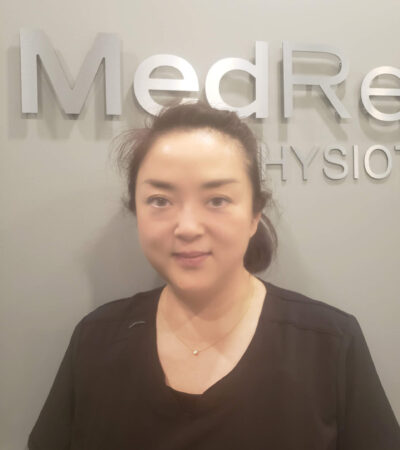
Dong, Registered Massage Therapist
Registered Massage Therapist
Lin, Registered Massage Therapist
Registered Massage Therapist

Preet, Registered Massage Therapist
Registered Massage Therapist

Judith, Registered Massage Therapist
Registered Massage Therapist

Stephan, Registered Massage Therapist
Registered Massage Therapist

Christina, Registered Massage Therapist
Registered Massage Therapist

Alla, Registered Massage Therapist
Registered Massage Therapist
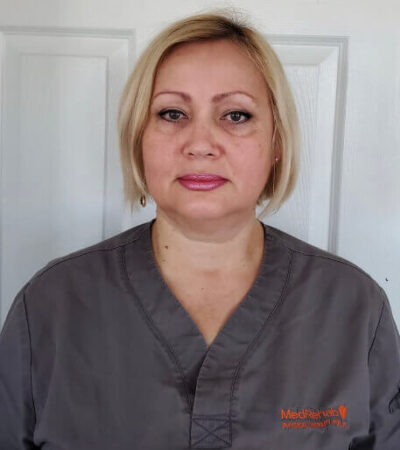
Larissa, Registered Massage Therapist
Registered Massage Therapist

Craig, Registered Massage Therapist
Registered Massage Therapist

Millora (Mildred), Registered Massage Therapist
Registered Massage Therapist

Sharon (Ting), Registered Massage Therapist
Registered Massage Therapist
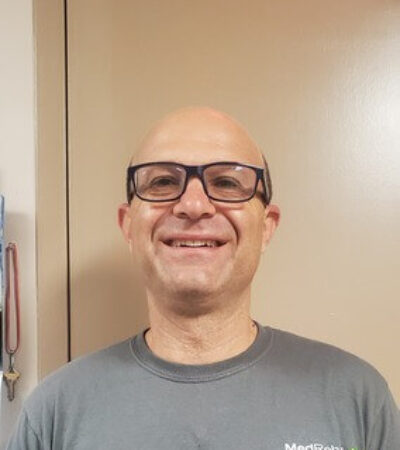
Guido, Physiotherapist Assistant and Athletic Therapist
Athletic Therapist and Athletic Therapist

Elizabeth, Office Staff
Office Staff

Anicia, Office Manager
Office Manager

Rachelle, Physiotherapist Assistant /Admin
Physiotherapist Assistant /admin

Varinder, Branch Manager
Branch Manager

Catherine, Office Staff
Office Staff

Rami, Office Staff
Office Staff
Sources
- https://www.choosept.com/guide/physical-therapy-guide-rheumatoid-arthritis
- https://www.choosept.com/guide/physical-therapy-guide-osteoarthritis
- https://www.delish.com/cooking/recipe-ideas/a63349745/sweet-and-sour-tofu-recipe/
- https://www.ncbi.nlm.nih.gov/books/NBK441999/
- https://www.choosept.com/guide/physical-therapy-guide-rheumatoid-arthritis