


A Comprehensive Look at How Posture Affects the Shoulder
Shoulder pain is an all-too-common complaint, making routine activities like lifting, typing, and even sleeping difficult. It seems like every week we get a patient who comes to us with shoulder pain related to poor postural habits.
A lot of people know the old song about how the foot bone is connected to the knee bone (and the knee bone is connected to the thigh bone, and so on). In the world of physical therapy, we call this regional interdependence. This means something in one area of the body is affecting another area. As the song says: it’s all connected.
Well, this is definitely true when it comes to the functioning of our shoulder joints. Poor postural habits and prolonged slumped postures put the shoulder in a vulnerable position, making it susceptible to pain or injury. The good news is our therapists at MedRehabGroup have extensive training in identifying all the factors that are contributing to your shoulder pain and, most importantly, how to resolve them, one by one!


Our Patients Get Great Results
“My sessions with the therapists have been nothing short of stellar! The front desk ladies are always helpful and very professional. All staff have been wonderful. Highly recommend!” – Marlene
How Posture Impacts the Shoulder
One significant factor contributing to shoulder pain is Upper Crossed Syndrome (UCS). This condition is characterized by postural changes that affect how the muscles of our upper back and shoulder girdle work, which in turn affects the normal movement patterns in the entire upper portion of the body.
The classic signs of Upper Crossed Syndrome include:
- Forward head posture: The head is positioned forward in relation to the shoulders.
- Rounded shoulders: The shoulders are rounded forward, causing the upper back to appear hunched.
- Increased thoracic kyphosis: The upper back has an increased curvature, leading to a rounded appearance.
- Protracted shoulder blades: The shoulder blades are positioned more forward and away from the spine.
- Weak deep neck flexors: The muscles at the front of the neck that help stabilize the head are weak.
- Tight pectoral muscles: The muscles in the chest area are tight and may contribute to the rounded shoulder posture.
- Weak scapular stabilizers: The muscles that stabilize the shoulder blades are weak, leading to altered movement patterns.
These issues often lead to shoulder pain, limited range of motion, and impaired muscle function. Although the signs are common in a lot of people, not everyone with these signs will have the same symptoms. This is why it is essential to consult one of our physical therapists to identify your specific needs and design a tailored treatment plan that addresses your situation.
The Role of Physical Therapy in Resolving Your Pain
The first step to resolving your shoulder pain is a comprehensive evaluation. Our physical therapists will conduct a thorough history and physical exam that includes an assessment of your posture as well as the function of your shoulder blade musculature to identify any obvious changes to muscle activation and movement patterns.
Based on the assessment, our physical therapists will design tailored exercise regimens that address not only muscle length and strength but also neuromuscular factors. This could lead to more lasting relief and functional improvement.
Our team uses a functional approach that is rooted in neurology. We consider the interaction between your nervous system, biomechanics of your spine and shoulder joints, as well as muscle function. This allows us to not only identify and address any imbalances in muscle length and strength, but also from neuromuscular factors like muscle recruitment.
These exercises may include work on your spinal joint mobility and strengthening exercises to correct any postural dysfunctions contributing to your conditions. Our team spends a lot of time educating you about how you are holding and moving your body to ensure you have the tools to train your body in the proper movement patterns that help to correct imbalances and offer lasting relief.
Take the First Step Towards Lasting Relief Today
If you’re experiencing persistent shoulder pain, limited range of motion, or discomfort in your upper body, the time to act is now. These signs are not just distressing; they can have a long-term impact on your quality of life and overall well-being. Reach out to MedRehabGroup today for a comprehensive assessment and personalized treatment plan designed to restore balance to your muscles, improve your posture, and, most importantly, alleviate your pain!
Exercise of the Month
SHOULDER INTERNAL ROTATION STRETCH
Start by standing up straight holding a towel behind your back with one end over your shoulder and the other by your lower back. Grab the bottom end of the towel with your hand on the side you want to stretch and gently pull up on the towel with your other hand. Hold for 30 seconds.
2 Sets, 1 Rep. (Materials needed: towel)
Go to the Pain, Not Through the Pain
The days of “no pain, no gain” are hopefully in the past. The idea of emphasizing pushing through discomfort to achieve results is not an effective solution for most people dealing with a painful condition, injury, or chronic condition. In fact, recent research suggests that a more holistic approach is effective and, indeed, safer for patients.
Pain is our body’s way of letting us know that something is happening in the body. When a nerve ending is triggered, an impulse travels to the brain, alerting us that something is happening. It is a warning sign or an alarm. How this impulse is interpreted varies from person to person and is influenced by a multitude of factors.
Aggressively pushing through pain can worsen the underlying issues and potentially result in long-term damage. The key is getting help from people who work with painful conditions every day, like our therapists at MedRehabGroup!
How Physical Therapy Can Help You Find Relief
In cases of musculoskeletal disorders and injuries, applying excessive stress on already agitated tissues can prolong the healing process and even cause further injury. In comparison, going to the pain but not through it means cautiously approaching the edge of discomfort without crossing it, which can help your body progress without delaying your recovery.
Our objective is to work within a “therapeutic window”: a range of activities that stimulates the body’s natural healing mechanisms without triggering negative responses.
At MedRehabGroup, we educate our patients about pain to help them understand their conditions better and actively participate in treatment. Our therapist can help you learn “pacing,” where activities are broken down into manageable parts, helping you to avoid extreme ups and downs of feeling good one day and an increase in pain and inactivity the next.
By respecting the body’s pain signals and working within a therapeutic window, our approach aims to achieve long-term functional gains without the risks associated with pushing through pain.

Why Completing Your Physiotherapy Program Matters
When you start physiotherapy, your therapist designs a personalized treatment plan with a clear goal: helping you recover fully and prevent your pain or injury from coming back. While it may be tempting to stop once you start to feel better, completing the full program of care is key to long-term success.
Here’s why finishing your plan makes a difference:
- Lasting Results – Early relief is often just the first step. Continuing care helps strengthen and retrain your body so the improvements last.
- Preventing Setbacks – Stopping too soon may leave your muscles, joints, or nerves vulnerable, increasing the risk of re-injury.
- Faster Return to Daily Life – Completing your program ensures you can get back to the activities you love with confidence.
- Building Healthy Habits – Sticking with the plan helps you learn exercises and strategies that support your health well beyond your current injury.
Your physiotherapy journey is about more than short-term relief. It’s about giving your body the time and guidance it needs to fully heal and stay strong. By following through with your treatment plan, you’re investing in your recovery and your future health.
Depressed? Stressed? Struggling to Cope? We Can Help!
In today’s fast-paced world, caring for our mental health is just as important as treating our bodies. That’s why we’re excited to introduce our Virtual Psychotherapist, a convenient, supportive way to access professional mental health care from the comfort of home.
Here’s what makes our virtual mental health service meaningful:
- Easy Access from Anywhere: Whether you’re at home or on the go, you can connect with our therapist online, making it easier to fit care into your schedule.
- Flexible, Personalized Support: Whether you’re dealing with stress, anxiety, change, or just need someone to talk to, our Virtual Psychotherapist can help guide you, offering tailored strategies and support that fit your life.
- Safe, Confidential, and Comfortable: Virtual sessions maintain full privacy and professionalism, while offering a comforting setting that lets you feel more at ease sharing your thoughts and feelings.
- Complementary to Your Physical Wellness Journey: Holistic healing includes both body and mind. By combining your physiotherapy or chiropractic care with mental health support, you’re investing in complete, long-term wellness.
Tips for A Heart-Healthy Valentine’s Day!
This year, don’t forget the most important Valentine of all: your heart! With February being the month of love and Canadian Heart Month, here are a few tips to combine them into one fabulous celebration:
- Try a heart-healthy treat: Pomegranate seeds, good dark chocolate, and sweet strawberries are all delicious alternatives to candy hearts.
- Take a ballroom dance class with your sweetheart: Nothing’s more romantic than a sweeping waltz or sultry tango. But ballroom dancing is also a great cardio workout–making it the perfect date night for Canadian Heart Month!
- Sink into a relaxing bubble bath: Stress contributes to cardiovascular disease, so this month, set aside time to rest and relax with a bubble bath. Dim the lights, burn a few candles, and settle down with your favorite romantic read.
Want more healthy heart tips this February–or any month of the year? Schedule an appointment with MedRehabGroup today!

Share the Love
Loving your experience with MedRehabGroup? We’d be thrilled if you shared the love! Your review helps others discover us, builds trust, and supports what we do every day. Click below to leave your review and let others know how our team has helped you. Thank you for being part of our community. We truly appreciate your support!
Healthy Recipe: Yogurt Covered Strawberries

Ingredients:
- 12 strawberries
- 10 oz vanilla Greek yogurt
- pink food coloring
Instructions:
- Wash and thoroughly dry the strawberries. Line a plate or board with parchment paper. Dip each strawberry in yogurt, holding the leaves and leaving a little red at the top.
- Place on parchment and freeze 15–20 minutes. Dip again, adding pink food coloring to the yogurt a drop at a time to create a gradient if desired. Freeze for 40–60 minutes.
- Remove from the freezer only when ready to serve, as the yogurt melts quickly.
Meet Our Team

Alexandr, Osteopath
Osteopath

Andrew, Acupuncture and Herbal Medicine
Acupuncture and Herbal Medicine

Aqsa, Registered Physiotherapist
Registered Physiotherapist

Archita, Registered Physiotherapist
Registered Physiotherapist

Audrey,Registered Acupuncturist and Traditional Chinese Medicine Practitioner
Registered Acupuncturist

Ben, Chiropodist
Chiropodist

Daniella, Office Manager
Office Manager

Darshana, Registered Physiotherapist
Registered Physiotherapist


Dr. Jamaal Coke, Chiropractor
Chiropractor

El Ana Rhoda, Registered Physiotherapist
Registered Physiotherapist

Jazzlyn, Office Staff
Admin and Reception

Jesselle, Physiotherapist Assistant
Physiotherapist Assistant
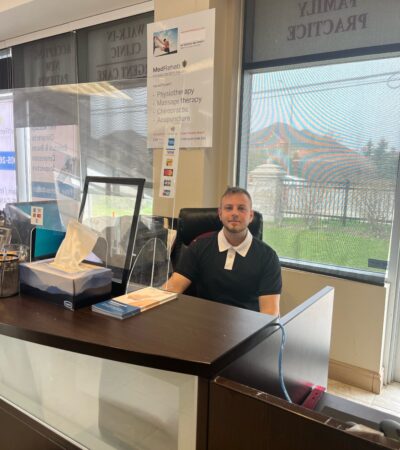
Jonathan, Manager
Manager

Kimberly, Office Staff
Office Staff

Kinga, Office staff
Office Staff

Li, Acupuncturist and Registered Massage Therapist
Acupuncturist and Registered Massage Therapist

Maria Luiza, Registered Massage Therapist
Registered Massage Therapist

Mohammadrahil,Registered Physiotherapist
Registered Physiotherapist

Neha, Registered Physiotherapist
Registered Physiotherapist

Nishtha Patel, Registered Physiotherapist
Registered Physiotherapist

Noel, Registered Physiotherapist
Registered Physiotherapist

Paula, Director of Operations and Customer Service
Director of Operations and Customer Service

Ritu, Registered Massage Therapist
Registered Massage Therapist

Roopam, Registered Massage Therapist
Registered Massage Therapist

Shu, Registered Massage Therapist
Registered Massage Therapist

Tanvi, Registered Physiotherapist
Registered Physiotherapist

Ying, Registered Massage Therapist and Acupuncturist
Registered Massage Therapist , Acupuncturist

Zena, Office Staff
Office Staff

Alex, Operations Manager
Operations Manager

Sherry Ann, Branch Manager
Branch Manager

Amanda, Manager Training and Development
Manager Training and Development

Kripaliben, Registered Physiotherapist
Registered Physiotherapist

Rhoda, Registered Physiotherapist
Registered Physiotherapist

Jacquelin, Registered Physiotherapist
Registered Physiotherapist

Rochelle, Registered Physiotherapist
Registered Physiotherapist

Rhoda, Registered Physiotherapist
Registered Physiotherapist

Dr. Daniella Astorino, DC, Chiropractor
Chiropractor

Dr. Annamaria De Fina, DC, Chiropractor
Chiropractor

Dr. Alvin De Leon, DC, Chiropractor
Chiropractor – New German Medicine Therapy

Dr. Steve Cho, DC, Chiropractor
Chiropractor

Dr. Rahim Habib, Naturopath
Doctor of Naturopath

Babak, Acupuncturist & holistic and alternative health care provider
Acupuncturist & holistic and alternative health care provider

Olivia, Acupuncturist
Acupuncturist
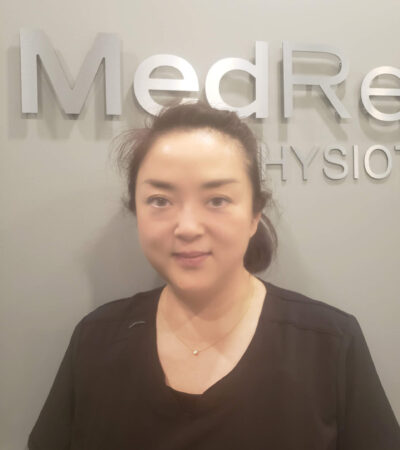
Dong, Registered Massage Therapist
Registered Massage Therapist
Lin, Registered Massage Therapist
Registered Massage Therapist

Preet, Registered Massage Therapist
Registered Massage Therapist

Judith, Registered Massage Therapist
Registered Massage Therapist

Stephan, Registered Massage Therapist
Registered Massage Therapist

Christina, Registered Massage Therapist
Registered Massage Therapist

Alla, Registered Massage Therapist
Registered Massage Therapist

Larissa, Registered Massage Therapist
Registered Massage Therapist

Craig, Registered Massage Therapist
Registered Massage Therapist

Millora (Mildred), Registered Massage Therapist
Registered Massage Therapist

Sharon (Ting), Registered Massage Therapist
Registered Massage Therapist

Guido, Physiotherapist Assistant and Athletic Therapist
Athletic Therapist and Athletic Therapist

Elizabeth, Office Staff
Office Staff

Anicia, Office Manager
Office Manager

Rachelle, Physiotherapist Assistant /Admin
Physiotherapist Assistant /admin

Varinder, Branch Manager
Branch Manager

Catherine, Office Staff
Office Staff

Rami, Office Staff
Office Staff