



Unfreeze Your Shoulder; Reclaim Your Active Life
How Physical Therapy Can Help You Manage Frozen Shoulder
We recently worked with a patient who came to us after struggling with shoulder pain for several months. While she hoped it would go away on its own, it only got worse over time. When she visited us, she was also struggling to lift her shoulder overhead or reach behind her back.
This patient had developed adhesive capsulitis, more commonly known as frozen shoulder. It gets that name from the fact that the condition causes the shoulder to “freeze up” after a period of intense pain, leading to significant stiffness and reduced mobility.
A frozen shoulder will eventually “unfreeze,” but that process can take anywhere from one to three years. Fortunately, the team at MedRehabGroup can help you manage your symptoms and facilitate a more efficient recovery through a personalized physical therapy program.
Schedule Your Physical Therapy Consultation TodayOur Patients Get Great Results
“I recently went here to get my pelvic floor fixed, I couldn’t move properly and always waking up with pain. Rochelle is an amazing expert. The facility is very warm and welcoming and the professionals are experienced and very kind with the patients. Rochelle made sure that at every appointment I am comfortable and progressing with flexibility and mobility. Definitely my go to place for physiotherapy!”
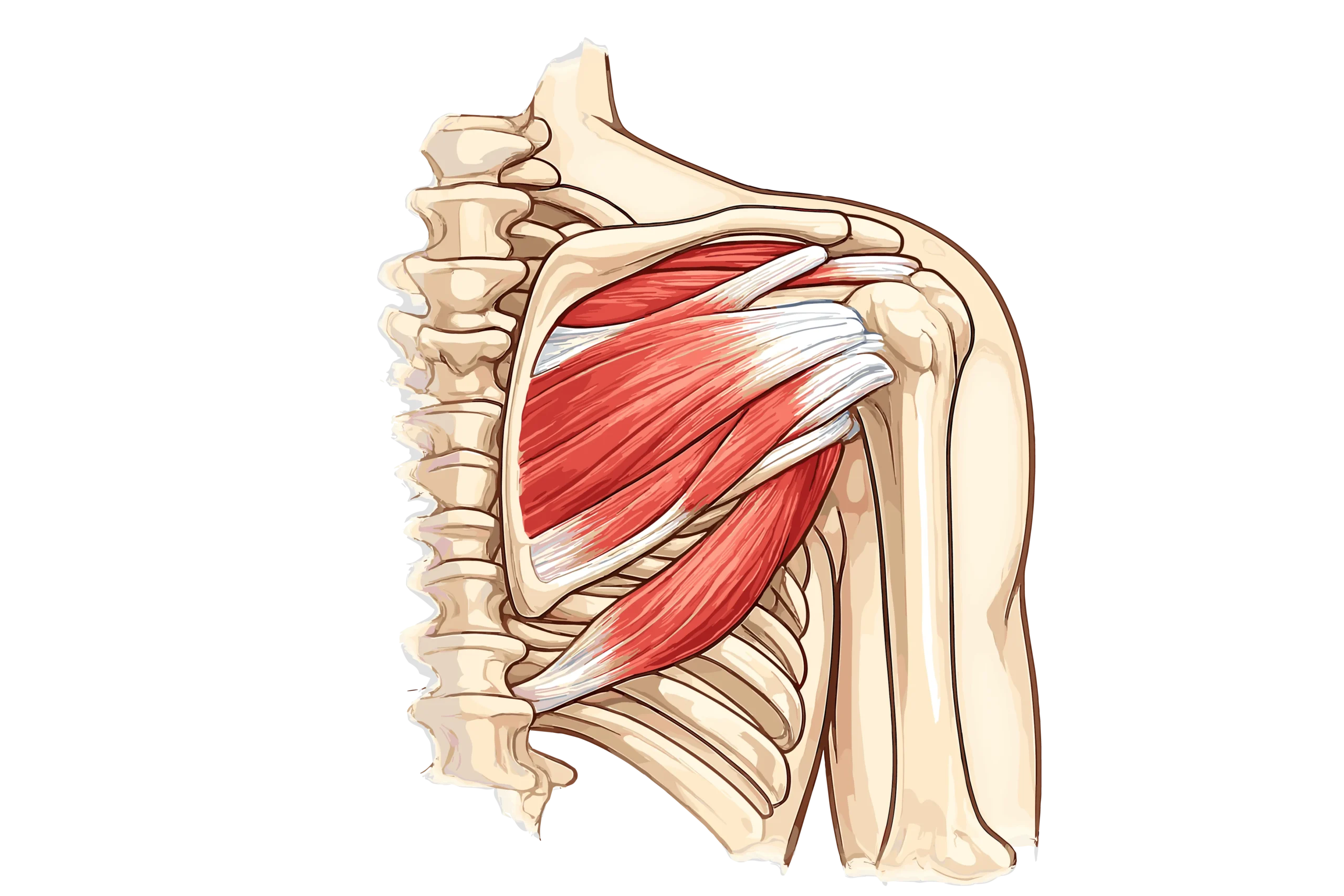
What Causes Frozen Shoulder?
Frozen shoulder develops when the capsule of connective tissue surrounding the shoulder joint thickens and tightens, restricting movement.
While researchers aren’t entirely sure why this occurs, several factors can increase your risk of developing the condition. Understanding these risk factors can help you recognize symptoms early and seek treatment before stiffness and pain become more severe.
Who Is Most At Risk?
- Women between the ages of 40 and 60
- Individuals with diabetes
- People with thyroid disorders
- Those with cardiovascular disease
- Anyone who has had their shoulder immobilized following an injury or surgery
Why Does Frozen Shoulder Develop?
Frozen shoulder occurs when the shoulder capsule becomes inflamed, thickened, and tight.
As the tissue tightens around the joint, shoulder movement becomes increasingly restricted. While the exact cause remains unclear, certain health conditions and prolonged periods of immobility appear to increase the likelihood of developing adhesive capsulitis.
Early intervention with physical therapy can help improve mobility, reduce pain, and support recovery throughout every stage of the condition.
Ready to Break Free From the Icy Grip of Frozen Shoulder?
If you suspect you have frozen shoulder, schedule an appointment at MedRehabGroup. Physiotherapy is essential for managing the condition in all three phases, and the earlier you can begin treatment, the better your outcomes will be. Our team is here to help you manage pain, restore mobility, and understand your shoulder’s movement patterns.
Don’t let frozen shoulder hold you back. Call us today to schedule your initial evaluation!

How the Shoulder Joint Works
The shoulder joins three bones together in two different joints. Several important soft tissues also provide stability, protection, and smooth movement.
Rotator Cuff
A group of muscles and their tendons that surround the shoulder joint, providing stability and controlling movement.
Labrum
A ring of cartilage that protects the shoulder socket and helps improve joint stability.
Ligaments
Strong bands of connective tissue that connect bones together and provide support to the shoulder.
Additional Muscles
Numerous chest and upper back muscles contribute to shoulder movement, strength, and overall stability.
Understanding Shoulder Injuries
With all these moving parts, it’s no surprise that the shoulder is so vulnerable to injury. There are two main types of shoulder injuries you should know about.
Acute Injuries
These injuries happen suddenly, often due to a fall or direct blow to the shoulder.
- Fractures
- Dislocations
- Labral tears
Overuse Injuries
Overuse injuries develop due to repetitive overhead motions that strain the tissues in the shoulder, particularly the rotator cuff.
- Swimming
- Baseball
- Weightlifting
Degenerative Conditions
Not all shoulder problems stem from injuries. Age-related wear and tear or conditions such as arthritis can break down cartilage, leading to pain, stiffness, and restricted mobility.
Degenerative changes in the shoulder joint, including age-related wear and tear or underlying conditions like arthritis, can cause the protective cartilage to break down, leading to pain and restricted mobility. Understanding these changes can help you take proactive steps to protect your shoulder health.
Dealing with Shoulder Pain? We Can Help
Regardless of the reason for your shoulder discomfort, the team at MedRehabGroup can help you find lasting relief. Our physical therapists have the knowledge and expertise to treat a range of shoulder injuries, help you rehabilitate after shoulder surgery, or teach you how to effectively manage degenerative conditions.
Schedule an appointment with us today to get started!
Healthy Dinner Recipe of the Month
End your day with a balanced meal packed with lean protein, colorful vegetables, and wholesome ingredients that support recovery, energy, and overall wellness.
One-Pan Garlic Herb Chicken & Roasted Vegetables
This simple sheet-pan dinner delivers lean protein, fiber-rich vegetables, and plenty of flavor with minimal cleanup. It’s an easy weeknight meal that helps fuel recovery and keeps healthy eating on track.

Ingredients
- 4 boneless, skinless chicken breasts
- 2 cups broccoli florets
- 2 cups baby potatoes, halved
- 1 red bell pepper, sliced
- 1 zucchini, sliced
- 3 tbsp olive oil
- 3 cloves garlic, minced
- 1 tsp dried rosemary
- 1 tsp dried thyme
- 1/2 tsp paprika
- Salt to taste
- Black pepper to taste
Directions
- Preheat the oven to 400°F and line a large baking sheet with parchment paper.
- In a large bowl, combine olive oil, garlic, rosemary, thyme, paprika, salt, and pepper.
- Add the chicken, broccoli, potatoes, bell pepper, and zucchini. Toss until evenly coated.
- Spread everything onto the prepared baking sheet in a single layer.
- Roast for 25–30 minutes, or until the chicken reaches an internal temperature of 165°F and the vegetables are tender.
- Allow the chicken to rest for 5 minutes before serving.
- Serve warm and enjoy a healthy, satisfying dinner.
Why Completing Your Physiotherapy Program Matters
When you start physiotherapy, your therapist creates a personalized treatment plan designed to help you recover fully and prevent your pain or injury from returning. While it may be tempting to stop once you begin feeling better, completing your full program of care is one of the most important steps you can take for lasting results.
Lasting Results
Early relief is often just the first step. Continuing care helps strengthen and retrain your body so your improvements last long after symptoms decrease.
Preventing Setbacks
Stopping treatment too soon may leave muscles, joints, or nerves vulnerable, increasing the risk of re-injury or recurring pain.
Faster Return to Daily Life
Completing your program helps ensure you can return to work, recreation, and daily activities with greater confidence and function.
Building Healthy Habits
Following your treatment plan helps you learn exercises and movement strategies that support your health well beyond your current injury.
Invest In Your Recovery And Future Health
Your physiotherapy journey is about more than short-term pain relief. It’s about giving your body the time, guidance, and support it needs to heal fully and stay strong.
Book Your AppointmentDepressed? Stressed? Struggling to Cope? We Can Help!
In today’s fast-paced world, caring for our mental health is just as important as caring for our physical health. Our Virtual Psychotherapist provides a convenient and supportive way to access professional mental health care from the comfort of your home.
Easy Access From Anywhere
Whether you’re at home or on the go, you can connect with our therapist online, making it easier to fit care into your busy schedule.
Flexible, Personalized Support
Whether you’re dealing with stress, anxiety, major life changes, or simply need someone to talk to, our Virtual Psychotherapist offers guidance tailored to your needs.
Safe, Confidential & Comfortable
Virtual sessions provide the same privacy and professionalism as in-person care while allowing you to speak openly from a familiar environment.
Support Your Complete Wellness Journey
Mental and physical health work together. Combining physiotherapy or chiropractic care with mental health support can help you achieve long-term wellness.
Invest In Your Mental Well-Being
Taking care of your mental health is one of the most important investments you can make. Professional support can help you navigate challenges, build resilience, and improve your overall quality of life.
Read More & Schedule Your AppointmentMeet Our Team

Alexandr, Osteopath
Osteopath

Andrew, Acupuncture and Herbal Medicine
Acupuncture and Herbal Medicine

Aqsa, Registered Physiotherapist
Registered Physiotherapist

Archita, Registered Physiotherapist
Registered Physiotherapist

Audrey,Registered Acupuncturist and Traditional Chinese Medicine Practitioner
Registered Acupuncturist

Ben, Chiropodist
Chiropodist

Daniella, Office Manager
Office Manager


Dr. Jamaal Coke, Chiropractor
Chiropractor

El Ana Rhoda, Registered Physiotherapist
Registered Physiotherapist

Jazzlyn, Office Staff
Admin and Reception
Jonathan, Manager
Manager

Li, Acupuncturist and Registered Massage Therapist
Acupuncturist and Registered Massage Therapist

Maria Luiza, Registered Massage Therapist
Registered Massage Therapist

Mohammadrahil,Registered Physiotherapist
Registered Physiotherapist

Neha, Registered Physiotherapist
Registered Physiotherapist

Nishtha Patel, Registered Physiotherapist
Registered Physiotherapist

Noel, Registered Physiotherapist
Registered Physiotherapist

Paula, Director of Operations and Customer Service
Director of Operations and Customer Service

Ritu, Registered Massage Therapist
Registered Massage Therapist

Shu, Registered Massage Therapist
Registered Massage Therapist

Tanvi, Registered Physiotherapist
Registered Physiotherapist

Ying, Registered Massage Therapist and Acupuncturist
Registered Massage Therapist , Acupuncturist

Zena, Office Staff
Office Staff

Alex, Operations Manager
Operations Manager

Sherry Ann, Branch Manager
Branch Manager

Amanda, Manager Training and Development
Manager Training and Development

Kripaliben, Registered Physiotherapist
Registered Physiotherapist

Rhoda, Registered Physiotherapist
Registered Physiotherapist

Jacquelin, Registered Physiotherapist
Registered Physiotherapist

Rochelle, Registered Physiotherapist
Registered Physiotherapist

Rhoda, Registered Physiotherapist
Registered Physiotherapist

Dr. Daniella Astorino, DC, Chiropractor
Chiropractor

Dr. Annamaria De Fina, DC, Chiropractor
Chiropractor

Dr. Alvin De Leon, DC, Chiropractor
Chiropractor – New German Medicine Therapy

Dr. Steve Cho, DC, Chiropractor
Chiropractor

Dr. Rahim Habib, Naturopath
Doctor of Naturopath

Babak, Acupuncturist & holistic and alternative health care provider
Acupuncturist & holistic and alternative health care provider

Olivia, Acupuncturist
Acupuncturist
Dong, Registered Massage Therapist
Registered Massage Therapist
Lin, Registered Massage Therapist
Registered Massage Therapist

Preet, Registered Massage Therapist
Registered Massage Therapist

Judith, Registered Massage Therapist
Registered Massage Therapist

Stephan, Registered Massage Therapist
Registered Massage Therapist

Christina, Registered Massage Therapist
Registered Massage Therapist

Alla, Registered Massage Therapist
Registered Massage Therapist

Larissa, Registered Massage Therapist
Registered Massage Therapist

Craig, Registered Massage Therapist
Registered Massage Therapist

Millora (Mildred), Registered Massage Therapist
Registered Massage Therapist

Sharon (Ting), Registered Massage Therapist
Registered Massage Therapist

Guido, Physiotherapist Assistant and Athletic Therapist
Athletic Therapist and Athletic Therapist

Elizabeth, Office Staff
Office Staff

Anicia, Office Manager
Office Manager

Rachelle, Physiotherapist Assistant /Admin
Physiotherapist Assistant /admin

Varinder, Branch Manager
Branch Manager

Catherine, Office Staff
Office Staff

Rami, Office Staff
Office Staff